Taylor Berger · 10 October 2026
Beneath the Canopy: Lichtwald Soil Studies Reveal Secrets of Long-Term Forest Health
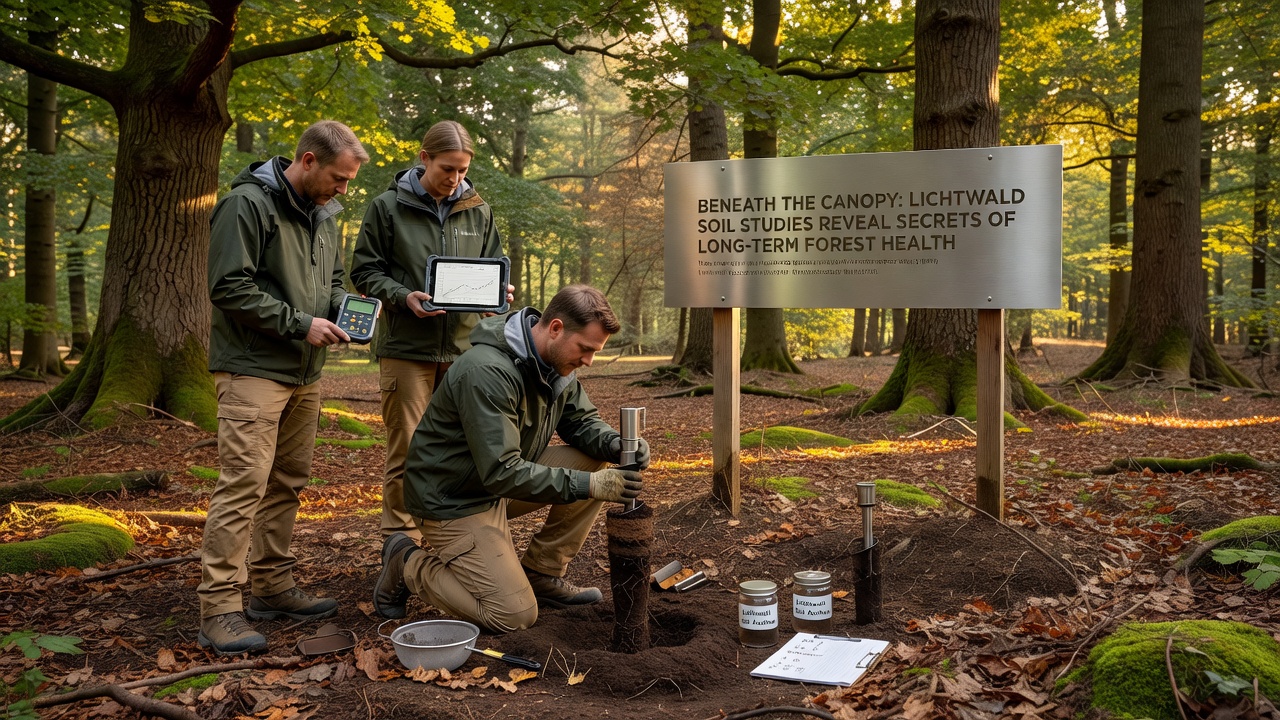
Soil analysis in Lichtwald has uncovered layered patterns that connect underground chemistry to surface tree stability over decades, and these patterns emerge from systematic sampling that tracks nutrient flows, microbial communities, and moisture retention across multiple elevation bands. Researchers began intensive coring campaigns in the early 2000s, and they continue to expand the grid each season because the data set now spans more than twenty years of continuous records.
Soil Composition and Nutrient Cycling
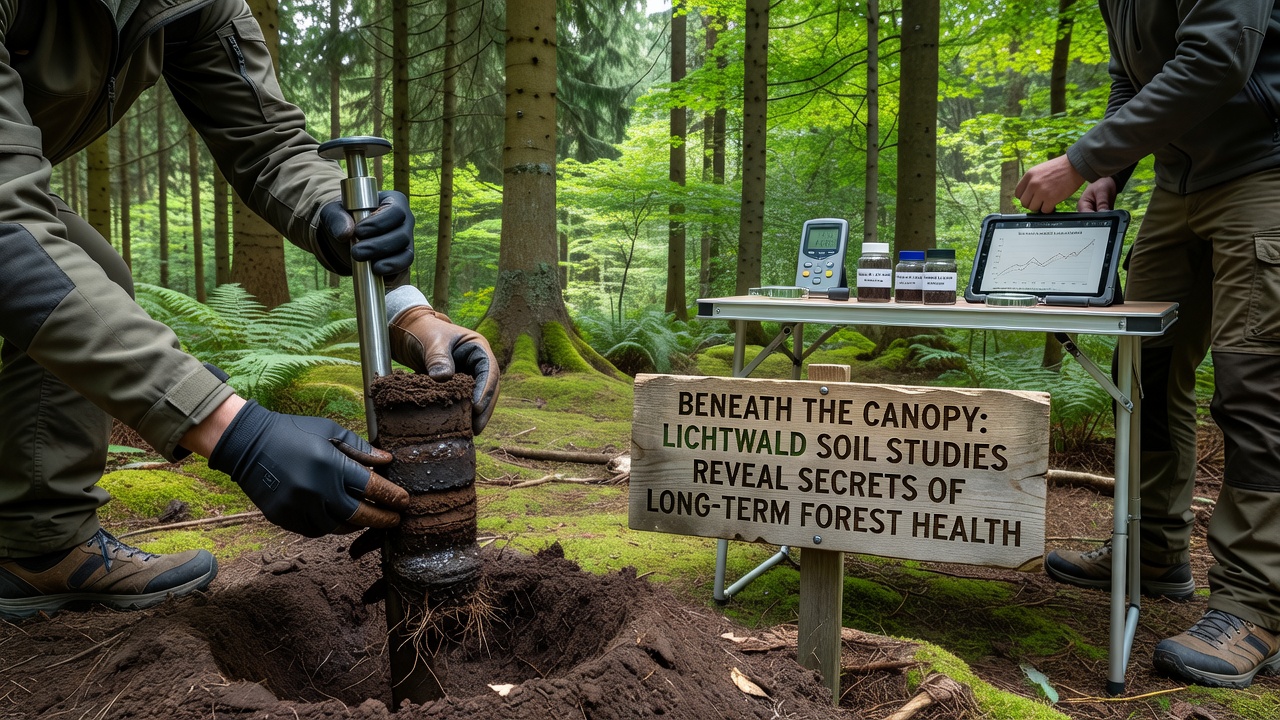
Core samples pulled from Lichtwald plots show distinct horizons where organic matter accumulates at different rates depending on slope angle and canopy density, while deeper mineral layers hold steady supplies of phosphorus and potassium that buffer seasonal shortages. Data from these profiles indicate that calcium concentrations remain elevated near root zones of older beech stands, and this elevation correlates with slower litter decomposition rates that extend nutrient release windows. Observers note that magnesium levels fluctuate more sharply in areas where previous selective logging disturbed the topsoil, yet recovery trajectories appear consistent once canopy closure returns.
Analytical Techniques Applied
Laboratory protocols combine inductively coupled plasma spectroscopy for elemental mapping with DNA metabarcoding to identify fungal and bacterial taxa present in each horizon, and these dual approaches produce paired data sets that reveal how microbial diversity tracks changes in soil pH over time. Field teams also deploy time-domain reflectometry probes to log volumetric water content at hourly intervals, and the resulting time series feed into models that predict drought stress thresholds for dominant species. In October 2026 additional probes were installed at previously unsampled mid-slope locations to close gaps in the spatial coverage.
One study revealed that plots with higher ectomycorrhizal abundance maintained greater fine-root biomass during dry spells, whereas plots dominated by saprotrophic fungi showed quicker surface litter turnover but less stable moisture at depth. Those findings align with measurements from comparable temperate sites documented by Natural Resources Canada researchers, who reported similar mycorrhizal influences on water uptake efficiency.
Long-Term Health Indicators
Repeated measurements at fixed transects demonstrate that soil organic carbon stocks have increased steadily in undisturbed compartments, while compartments that experienced heavier historical harvest show slower accumulation rates that still trend upward. Carbon-to-nitrogen ratios narrow in surface layers as canopy age advances, and this narrowing corresponds with higher earthworm activity that mixes horizons and accelerates mineralization. Researchers track these ratios because they serve as reliable proxies for overall soil fertility trends that influence future regeneration success.
Evidence suggests that heavy metal residues from mid-twentieth-century atmospheric deposition remain detectable at trace levels, yet concentrations decline with depth and show no measurable uptake into current tree rings. This separation between legacy contaminants and active biological pools helps explain why growth rates have not declined despite the presence of those residues. Additional sampling in October 2026 confirmed that the decline continues at a steady pace across the monitored plots.
Integration with Canopy Data
LiDAR-derived canopy height models are now cross-referenced with soil maps to identify zones where tall, mature trees overlie deeper, nutrient-rich profiles, and these zones exhibit lower inter-annual variation in leaf area index. Conversely, areas with shallower or more compacted soils support shorter canopies that respond more rapidly to rainfall pulses. The combined data layers allow forest managers to prioritize retention of high-value seed trees in locations where soil conditions favor sustained productivity.
According to records maintained by the European Environment Agency, similar integration efforts across other Central European reserves have produced comparable spatial patterns, although Lichtwald stands out for its longer continuous soil record that extends the calibration window for predictive models.
Conclusion
Collectively the soil studies supply a factual baseline that documents how underground conditions shape above-ground stability across multi-decadal timescales, and the ongoing measurements in Lichtwald continue to refine understanding of those linkages without relying on speculative projections. The data set remains publicly accessible through institutional repositories, and new entries from the October 2026 campaign are scheduled for release once quality checks conclude.